I still remember the eerie silence of empty first-class lounges in early 2021, when the idea of splurging on a five-star escape felt almost guilty. Fast-forward to spring 2026, and those same lounges are packed again—not with hesitant post-pandemic rebounders, but with travelers who have waited, saved, and now refuse to settle for anything less than extraordinary. Luxury travel didn’t just recover; it reinvented itself. Bookings for high-end experiences are up 30 to 40 percent year-over-year in many markets, and the industry is projected to hit $2.63 trillion by 2030. This isn’t revenge travel anymore. It’s deliberate, deeper, and frankly more satisfying. If you’ve been eyeing that dream trip but wondering whether the moment is right, let me reassure you: it absolutely is.
The Numbers Don’t Lie: Luxury Travel’s Explosive Comeback
The data tells a clear story of resilience and renewed appetite. Virtuoso advisors across more than 50 countries report that 67 percent expect a rise in demand for 2026, with 55 percent forecasting higher per-trip spending. Eighty percent of travelers plan to spend more this year, according to Expedia Group insights, and the ultra-luxury segment—private yachts, full buyouts, expedition voyages—has seen requests jump noticeably. What’s driving it? A perfect storm of pent-up desire, concentrated wealth among high-net-worth individuals, and a cultural shift that values experiences over stuff. Even amid economic whispers, the top 10 percent of travelers keep the premium engine humming. Shoulder-season escapes to avoid crowds are now the smart play, and destinations once considered “off-season” are suddenly the hottest tickets.
From Revenge Travel to Quiet Luxury: How High-End Getaways Evolved
Remember the chaotic “revenge travel” phase right after lockdowns? Everyone rushed to check boxes and post proof-of-life photos. That frenzy has given way to something calmer and more intentional. Quiet luxury—understated elegance, fewer crowds, deeper meaning—now defines prestige. It’s not about flashy logos or over-the-top excess; it’s about space, silence, and service that anticipates needs without fanfare. Hilton’s 2026 trends even coined “hushpitality” for this exact vibe: calm hotels, thoughtful locations, and reduced stimulation. Travelers who once chased five cities in ten days now crave one villa, one view, and one unforgettable conversation with a local chef. The result? Trips that actually recharge rather than exhaust.
Quiet Luxury: The New Standard for Discerning Travelers
Quiet luxury strips away the showmanship and doubles down on refinement. Think natural materials, organic design, privacy without pretense, and calm environments over party atmospheres. Resorts like COMO Parrot Cay or Bawah Reserve embody this—understated, immersive, and restorative. No more competing for the best Instagram spot; instead, you’re the only guest watching the sunrise from a private deck. This shift favors boutique properties and private-island escapes over mega-resorts. The real luxury? Time and space to breathe. If your last trip left you needing another vacation, quiet luxury might be exactly what you’ve been missing.
What Is Quiet Luxury Travel in 2026?
At its core, quiet luxury means choosing presence over performance. Travelers seek authenticity over spectacle, personalization over perfection, and purpose over volume. It’s the difference between a packed five-star hotel lobby and a private villa where the staff knows your coffee order before you do. Advisors report clients now prioritize “salvaged stays” in converted historic buildings and experiences like cooking with Italian nonnas or private vineyard tours in Portugal. The focus has moved from material excess to emotional resonance—trips that leave you changed, not just photographed.
Wellness Redefined: From Quick Spa Days to Transformative Journeys
Wellness used to mean a massage between sightseeing. In 2026, it’s the main event. Holistic programs blend physical restoration, mental clarity, and longevity practices—think Ayurvedic retreats in India, yoga-and-surf escapes in Costa Rica, or silence-focused healing in the Canadian Rockies. Virtuoso calls this the “Healthy Wealthy” trend, with multi-generational families even dragging reluctant teens off screens for nature reconnection. Cognitive wellness, biohacking, and longevity programs top wish lists. The best part? These trips feel like investments in your future self, not indulgent splurges.
Personalization Defines Prestige in Modern Luxury Travel
No two luxury trips look alike anymore, and that’s the point. Advisors now craft itineraries around your passions—private art tours in Paris for the culture lover, chef-led weekends in Tuscany for the foodie, or bespoke wellness in Thailand tailored to your exact stress points. Expedia data shows personalization drives loyalty more than anything else, with experiences often outweighing flights and hotels in client priorities. Technology helps (AI-curated suggestions), but human touch seals it—your advisor remembering your preference for window seats or allergy-friendly menus. The result is a trip that feels made for you, because it literally is.
Multi-Generational Travel: Luxury That Strengthens Family Bonds
One of Virtuoso’s top trends for 2026 is multigenerational family travel, right behind immediate family getaways. Grandparents, parents, and kids (or even adult children) want shared memories without the chaos of coordinating logistics themselves. Private villas with multiple suites, dedicated family concierges, and activities scaled for every age group make it seamless. Imagine a private Nile cruise where everyone finds their own rhythm—teens on kayaks, grandparents on cultural tours, and parents stealing sunset cocktails. It turns vacation into legacy-building.
Adventure Meets Opulence: Challenge Travel and Expedition Cruises
Luxury no longer means lounging only. “Challenge travel”—demanding yet rewarding experiences like tracking the Great Migration in Kenya or reaching the Geographic North Pole—has surged. Virtuoso highlights expedition cruising and active/adventure trips as top draws, with “slow-mo” pacing once you arrive: longer port stays, smaller camps, unhurried wildlife viewing. Ocean and river cruising are booming too, especially all-inclusive ultra-luxe versions where every detail (private transfers, Michelin dining, resort buyouts) is covered. It’s Type 2 fun at its finest: hard in the moment, unforgettable forever.
Sustainable Sophistication: Eco-Luxury Without the Sacrifice
Conscious luxury is no longer niche—it’s expected. Travelers want eco-lodges supporting conservation, properties using reclaimed materials, and experiences that give back. Maldives resorts running on solar power or African conservancies funding community projects show that responsibility can coexist with five-star comfort. Virtuoso advisors note 45 percent of clients now adjust plans due to climate concerns, favoring shoulder seasons and moderate-weather spots. The new flex? Traveling in ways that protect the very places you love.
Luxury Rail and Slow Travel: Rediscovering the Journey Itself
The golden age of rail is back, but elevated. Multi-week “train hopping” on lines like the Venice Simplon-Orient-Express, Belmond’s new routes, or the Around-the-World by Luxury Train package turns the journey into the destination. Slow travel means fewer stops, deeper immersion, and the rare luxury of time. No more racing through airports; instead, you glide through landscapes with gourmet dining and private cabins. Demand for these experiences has skyrocketed, proving that sometimes the best part of travel is the travel itself.
Emerging Destinations: Where Savvy Travelers Are Heading in 2026
| Destination | Why It’s Hot in 2026 | Signature Experience |
|---|---|---|
| Iceland & Antarctica | Top “coolcations” for crowd-free adventure | Expedition cruises, Northern Lights |
| Japan (Kyoto & Tokyo) | Cultural immersion leader | Private temple access, chef’s tables |
| Egypt & Morocco | History with modern luxury twists | Private Nile cruises, riad stays |
| Vietnam | Value + fresh alternative to Thailand | Mekong River voyages, wellness retreats |
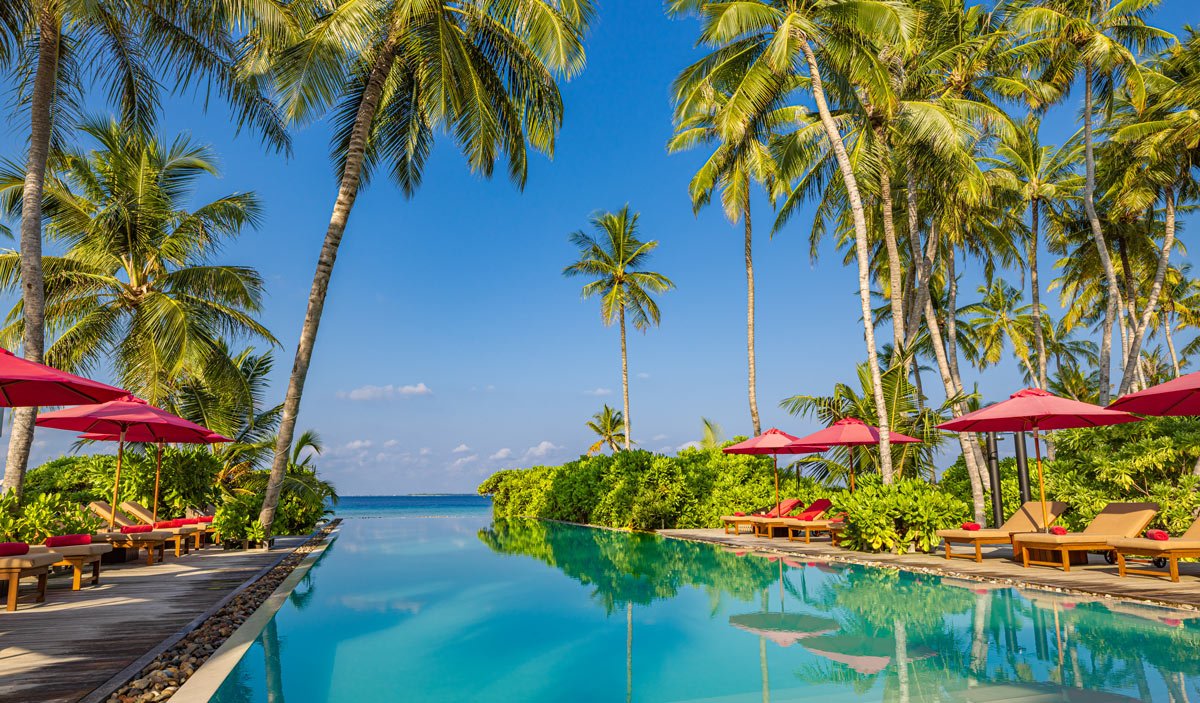
| Private Islands (BVI, Maldives, Indonesia) | Ultimate privacy and quiet luxury | Full villa buyouts, over-water spas |
These spots deliver exclusivity without the usual tourist crush. Shoulder seasons and lesser-known regions keep costs reasonable while maximizing magic.
Pros and Cons of the New Luxury Travel Landscape
Pros:
- Deeper, more meaningful experiences that create lasting memories.
- Stronger emphasis on wellness, sustainability, and family connection.
- Personalized service that feels truly bespoke.
- Growing options for slow, intentional pacing.
Cons:
- Higher costs for ultra-exclusive access (though value perception remains high).
- Limited availability for peak experiences requires early booking.
- Climate and overtourism concerns can complicate planning.
- The “quiet” focus might feel too subdued for thrill-seekers who prefer flash.
Overall, the pros far outweigh the cons for most affluent travelers.
How to Book Your Luxury Escape: Practical Tips for 2026
Work with a specialist advisor—76 percent of luxury travelers say guidance is crucial. They unlock inventory, negotiate perks, and handle the details you’d rather not. Platforms like Expedia TAAP or Virtuoso networks offer exclusive rates and flexible tools. Book 6–12 months ahead for peak experiences. Consider travel insurance that covers climate disruptions. And remember: the best trips start with clarity about what you truly value—culture, wellness, adventure, or reconnection.
People Also Ask: Answering Your Top Luxury Travel Questions
Is luxury travel really back in 2026?
Absolutely. Demand is surging, spending is up, and the industry has evolved into something more intentional and resilient than pre-pandemic levels.
What are the biggest luxury travel trends for 2026?
Quiet luxury, cultural immersion, multigenerational trips, wellness journeys, conscious sustainability, and slow-paced adventure experiences top the lists from Virtuoso and Expedia.
Where should I go for luxury travel in 2026?
Rising stars include Japan, Iceland, Egypt, Vietnam, and private-island escapes in the Maldives or BVI. Avoid overtouristed hotspots by choosing shoulder seasons.
How has luxury travel changed since the pandemic?
It shifted from quantity and flash to quality, personalization, purpose, and quieter, more restorative escapes that prioritize emotional value over excess.
Is quiet luxury just a trend or here to stay?
It’s here to stay. Travelers who’ve seen it all now crave authenticity, privacy, and meaning—values that align with broader lifestyle shifts toward mindfulness and sustainability.
FAQ: Your Luxury Travel Questions Answered
How much should I budget for a luxury trip in 2026?
Expect $1,500–$3,000+ per person per night for true ultra-luxury (private villas, expeditions, all-inclusive yachts). Shorter wellness or cultural escapes can start around $800–$1,200 nightly with the right advisor perks.
Do I need a travel advisor for luxury trips?
Yes—especially for complex itineraries, group travel, or exclusive access. They save time, money, and stress while unlocking perks you can’t get online.
Is sustainable luxury travel more expensive?
Sometimes slightly, but many eco-properties offer comparable rates to traditional luxury while delivering superior experiences and peace of mind.
Can solo travelers enjoy luxury trends in 2026?
Absolutely. Wellness retreats and cultural immersion rank high for solos, with programs designed for self-discovery and structure.
What if my plans change due to weather or global events?
Flexible booking policies through reputable advisors and comprehensive insurance (including climate-disruption coverage) make luxury travel far more resilient than it used to be.
Luxury travel in 2026 isn’t about proving you can afford it anymore. It’s about proving you know how to live it—fully, mindfully, and on your own terms. Whether you’re chasing polar expeditions, private-island silence, or a multigenerational villa week, the moment is yours. The world is open, the experiences are richer than ever, and the only question left is: where are you going first?
Related Posts
What Is Luxury Travel? Redefining Opulence in a World That Craves Meaning
Luxury travel isn’t just about five-star hotels or first-class seats…