Category: Luxury Travel

Luxury Travel

  • What Is Luxury Travel? Redefining Opulence in a World That Craves Meaning

    What Is Luxury Travel? Redefining Opulence in a World That Craves Meaning

    Luxury travel isn’t just about five-star hotels or first-class seats anymore. It’s the feeling when every detail clicks into place without you lifting a finger, turning a simple getaway into a story you’ll tell for decades. I’ve watched friends return from trips glowing—not because they checked off landmarks, but because they felt truly seen, pampered, and transformed. In 2026, this world has evolved beyond flashy excess into something quieter, deeper, and far more personal.

    If you’ve ever wondered what separates a regular vacation from one that lingers in your soul, you’re not alone. Luxury travel today blends exclusivity with authenticity, personalization with purpose. It’s for those who want more than a postcard view—they crave connection, comfort, and memories that money can’t mass-produce. Let’s unpack it all, from its roots to the trends shaping right now, so you can decide if it’s the right fit for your next adventure.

    The Origins of Luxury Travel

    Luxury travel traces back centuries to the Grand Tour of Europe, where wealthy young aristocrats explored culture and refinement. Back then, it meant horse-drawn carriages, grand estates, and tutors guiding the journey. Fast forward, and it became synonymous with ocean liners and jet-set glamour in the mid-20th century.

    Those early days laid the foundation: privilege, exploration, and elevated experiences. But it was always about status as much as discovery. Today’s version keeps the elevation while ditching the stuffiness.

    How Luxury Travel Has Evolved in the 21st Century

    The digital age flipped the script. With endless options at our fingertips, luxury shifted from “more is better” to “only what matters to you.” Post-pandemic travelers craved privacy and meaning over crowds and checklists. By 2026, sustainability, wellness, and cultural immersion aren’t add-ons—they’re expected.

    No longer just about gold-plated taps, it’s about feeling restored, connected, and inspired. Experts at places like Black Tomato nail it when they call it a “structure of feeling”—a vibe crafted just for you.

    What Truly Defines Luxury Travel Today?

    At its heart, luxury travel prioritizes comfort, exclusivity, and personalization above all. It’s high-end accommodations, seamless service, and bespoke itineraries that anticipate needs before you voice them. Think private chefs, skip-the-line access, and moments that feel impossibly rare.

    The 5 Cs capture it perfectly: Culture, Cuisine, Community, Content, and Customization. It’s not one-size-fits-all; it’s your size, your pace, your passions.

    Personalization at Its Finest

    Gone are generic packages. Modern luxury means your trip mirrors your life—whether you’re a foodie chasing Michelin stars or a family bonding on a private island. Advisors build mood boards and tweak every detail, from room scents to activity levels.

    One couple I know requested a silent yoga session at dawn in the Maldives. Their planner made it happen with a private instructor and no other guests in sight. That level of care turns good trips into legendary ones.

    Exclusivity and Privacy Redefined

    Crowds? Not here. Luxury now means private villas over bustling resorts, off-hours museum tours, and access to hidden gems most never see. Privacy isn’t a perk—it’s the point.

    In places like Rwanda’s Volcanoes National Park, you might trek to see mountain gorillas with just your guide and loved ones. No lines, no noise, just you and the wild.

    The Role of Seamless Service

    Imagine a concierge who knows your coffee order before you arrive and handles every transfer, reservation, and whim. Dedicated butlers, 24/7 support, and anticipatory care erase stress entirely.

    It’s the “inconvenience of convenience”—experts handle the chaos so you don’t. As one luxury advisor put it, it’s time and reassurance you buy, not just stuff.

    Key Elements That Make a Trip Luxurious

    Luxury isn’t vague. It shows up in tangible ways: premium transport, standout stays, unforgettable meals, and curated adventures. These building blocks create the magic.

    When combined thoughtfully, they elevate travel from transactional to transformative.

    Premium Transportation Choices

    First-class flights, private jets, or chauffeured rides set the tone. Business-class lounges with gourmet spreads beat airport chaos every time.

    Picture boarding a superyacht in the Mediterranean or hopping luxury trains across Europe—trends exploding in 2026. It’s not just getting there; it’s arriving refreshed and excited.

    High-End Accommodations and Stays

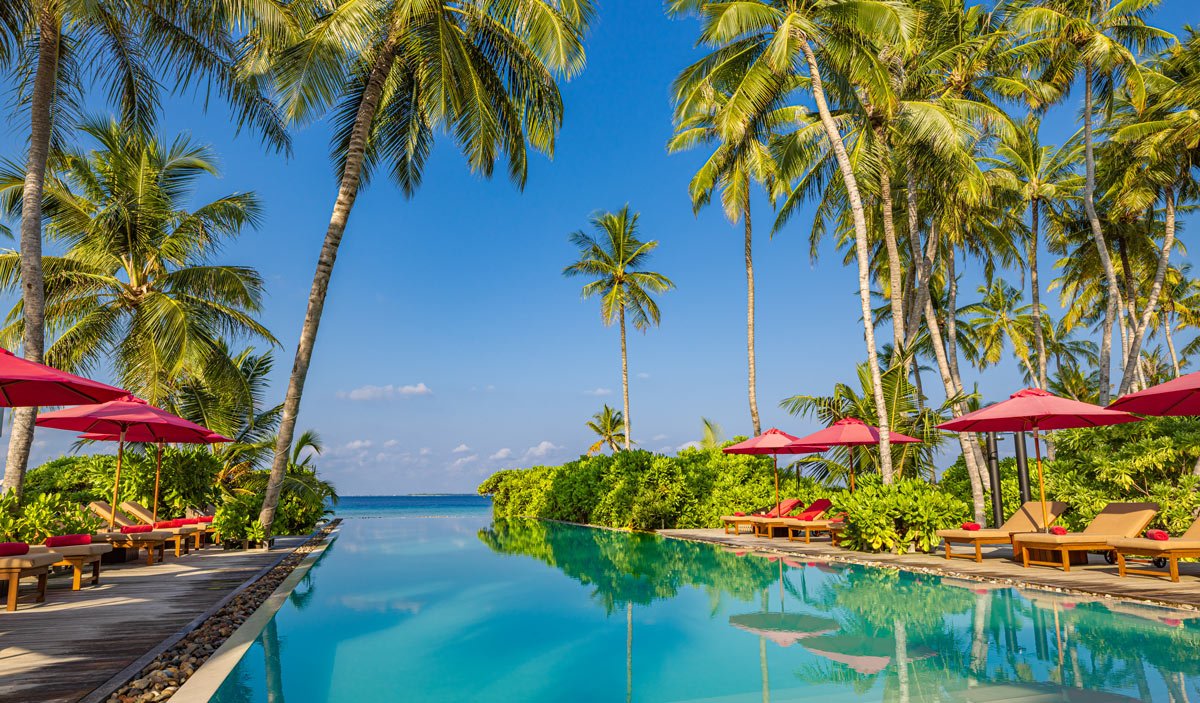
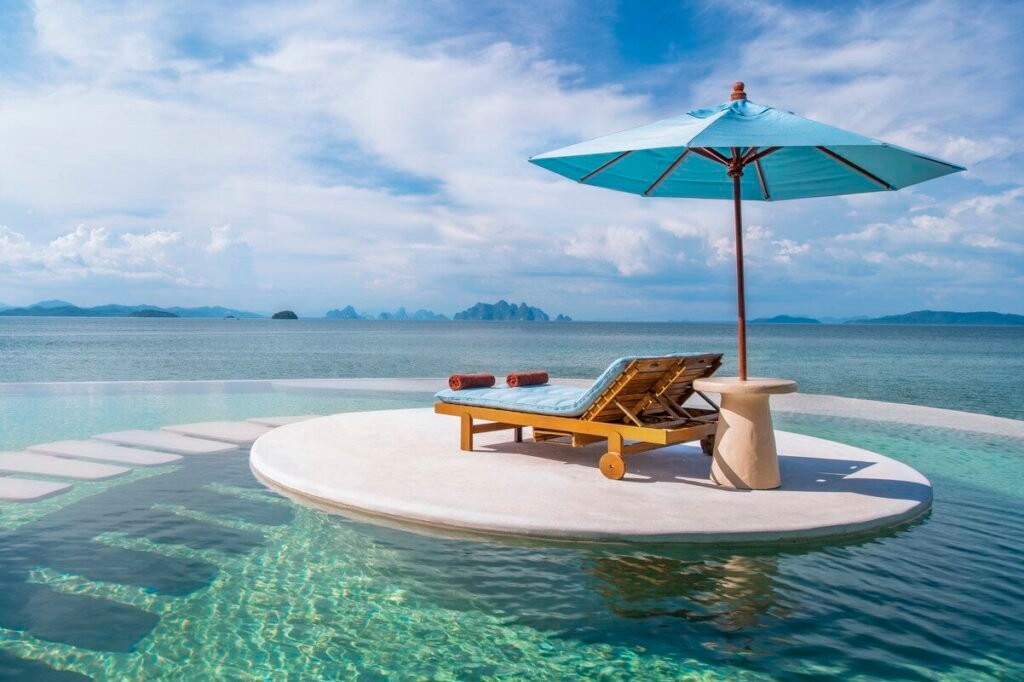
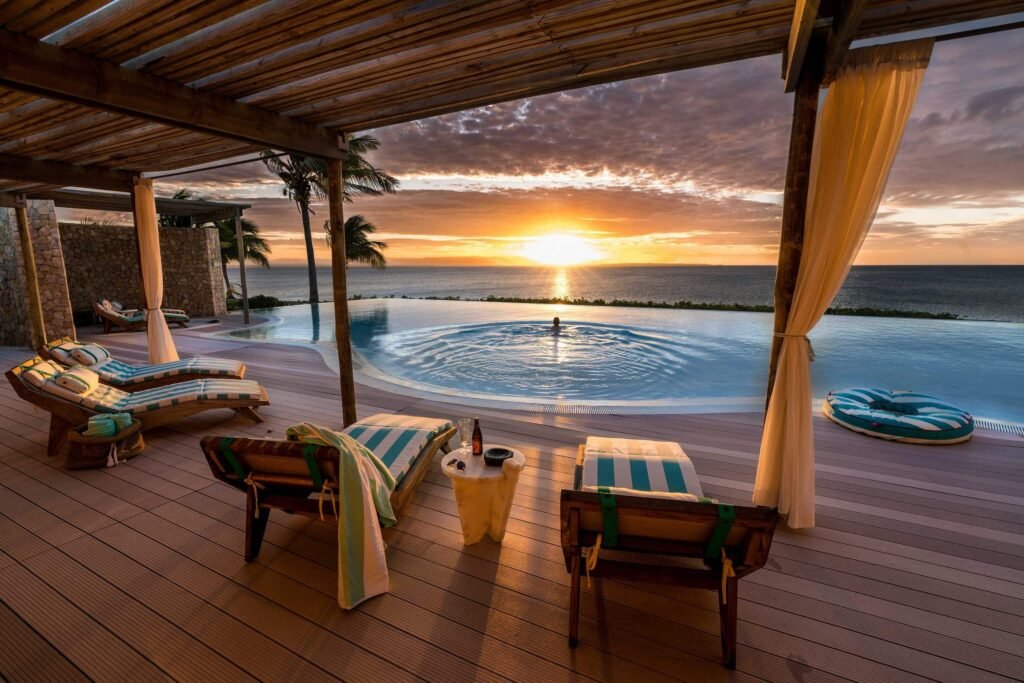
    Five-star hotels and private villas offer more than thread counts. Infinity pools overlooking the sea, personal spas, and staff who feel like family define the stay.

    In 2026, quiet luxury villas on private islands—like those in Turks & Caicos or Indonesia’s Bawah Reserve—win out for space and serenity over flashy lobbies.

    Gourmet Dining Experiences

    Dining goes beyond meals to cultural stories. Private chefs craft farm-to-table feasts, or you join a nonna in Tuscany for hands-on pasta making.

    Wine tastings in hidden cellars or chef-led foraging in the Alps turn food into connection. It’s cuisine that lingers in memory long after the last bite.

    Bespoke Activities and Immersions

    Forget group tours. Think private archaeology digs in Egypt, survival masterclasses in Alaska, or stargazing with astronomers in Chile’s Atacama Desert.

    These tailored experiences—cultural, adventurous, or restorative—make the trip yours alone.

    Luxury Travel vs. Traditional Travel: A Clear Comparison

    Here’s a quick table to break it down:

    AspectLuxury TravelTraditional Travel
    PlanningBespoke by expertsSelf-planned or package deals
    AccommodationsPrivate villas, 5-star with butlerStandard hotels or Airbnbs
    TransportationPrivate jets, first-class, yachtsEconomy flights, public transport
    ExperiencesExclusive, private accessGroup tours, public attractions
    FocusPersonalization & meaningBudget & convenience
    CostHigher, but value in seamlessnessLower, but more effort required

    This side-by-side shows why many upgrade once they taste the difference.

    Pros and Cons of Choosing Luxury Travel

    Pros:

    • Unforgettable, stress-free memories
    • Deeper cultural and personal connections
    • Time saved and energy preserved
    • Access to once-in-a-lifetime moments
    • Stronger family or couple bonds

    Cons:

    • Significantly higher price tag
    • Can feel detached from “real” local life if not done right
    • High expectations sometimes lead to disappointment
    • Limited availability for peak experiences
    • Environmental impact if not sustainably chosen

    Weighing these helps you decide if the investment aligns with your values.

    Is Luxury Travel Worth the Investment?

    For many, yes—especially when it delivers transformation. That first private sunset sail or gorilla trek pays dividends in joy and stories. But it depends on priorities. If seamless joy matters more than savings, it’s priceless.

    A friend once splurged on a wellness retreat in Thailand after burnout. She returned clearer-headed and more present. Worth every penny, she said.

    Current Trends Shaping Luxury Travel in 2026

    Quiet luxury dominates—think understated elegance over showy displays. Wellness isn’t optional; it’s central, from cognitive retreats to nature immersion.

    Cultural connections lead the way, with travelers cooking alongside locals or exploring heritage sites privately. Conscious choices, like eco-lodges, signal sophistication.

    The Rise of Wellness and Restoration

    Holistic escapes blend spa rituals with mindfulness in stunning settings. Private-island wellness in the BVI or Himalayan retreats offer true reset.

    It’s about feeling renewed, not just relaxed—perfect for busy professionals craving balance.

    Slow Travel and Multigenerational Journeys

    Longer stays replace rushed itineraries. Families book villas for multi-gen bonding, creating shared adventures without chaos.

    Luxury train hopping across Europe or slow sails on superyachts let you savor the journey.

    Sustainability as the New Status Symbol

    Eco-conscious properties using reclaimed materials or supporting conservation win loyalists. Maldives resorts powering with solar? That’s the new flex.

    Travelers seek impact alongside indulgence.

    People Also Ask About Luxury Travel

    These real Google questions reveal what travelers wonder most:

    Who is the target audience for luxury travel?
    Primarily affluent professionals, families, and older millennials with disposable income who value experiences over possessions. Emerging middle-class seekers also join for milestone celebrations.

    What is the highest rated travel tour company?
    Names like Abercrombie & Kent, Tauck, and Virtuoso advisors consistently top charts for bespoke service and expertise in luxury segments.

    Who is the richest travel company?
    Booking Holdings leads by market cap, followed by Marriott and others, but for pure luxury, specialists like those curating private jets and villas dominate the high-end space.

    What is the most reputable tour company?
    Abercrombie & Kent, National Geographic Expeditions, and similar operators earn trust through decades of flawless execution and insider access.

    Is it cheaper to travel with a tour company?
    Often yes for luxury—negotiated rates on villas, jets, and experiences can outperform DIY, especially with expert planning that avoids costly mistakes.

    How to Get Started with Luxury Travel

    Begin by clarifying your “why.” Work with a trusted advisor who listens deeply. Start small: upgrade one element, like a private transfer or villa night.

    Research agencies with strong reviews. Budget realistically—entry-level luxury starts around $1,000–$2,000 per person per night, scaling up from there.

    Choosing the Right Luxury Travel Advisor

    Look for Virtuoso or similar networks. They offer perks like room upgrades and exclusive experiences. Personal rapport matters most.

    Ask about past trips matching your style. A great advisor becomes your travel confidant.

    Popular Luxury Destinations for Every Taste

    From the Maldives’ overwater villas to Tuscany’s villas and safaris in Botswana’s Okavango Delta, options abound. In 2026, Palau’s remote beauty and Hawaii’s Sensei Lanai wellness draw crowds seeking quiet.

    Europe’s heritage hotels and Asia’s cultural immersions round out the map.

    Luxury Travel on a Budget: Smart Ways to Experience It

    You don’t need millions. Shoulder seasons slash costs without sacrificing quality. Opt for all-inclusive ultra-luxury resorts or villa rentals with private chefs.

    Mix splurges—like a private jet leg—with value stays. The key? Prioritize what sparks joy for you.

    Real Stories From Luxury Travelers

    One executive traded boardrooms for a silent retreat in Oman’s mountains. Another family celebrated a milestone with a private Galápagos sail. These tales prove the emotional payoff.

    Humor break: I once saw a traveler request “no Wi-Fi” on a yacht—only to panic mid-voyage. Lesson? True luxury includes knowing your limits.

    The Future of Luxury Travel

    Expect more AI-assisted personalization, space tourism for the ultra-elite, and hyper-local experiences. But the core stays human: connection and care.

    As trends show, it’s heading toward intention over extravagance.

    FAQ: Your Top Questions Answered

    What exactly is luxury travel?
    It’s personalized, high-end travel emphasizing exclusivity, comfort, and bespoke experiences over standard tourism.

    How much does luxury travel typically cost?
    Expect $5,000–$20,000+ per person for a week, depending on destination and style—worth it for the seamless magic.

    Can anyone experience luxury travel?
    Absolutely. It’s accessible at varying levels; mindset and planning matter more than bank balance.

    What’s the difference between luxury and ultra-luxury?
    Ultra goes further with private islands, jets, and once-in-a-lifetime access—think superyachts versus five-star hotels.

    How do I plan my first luxury trip?
    Define goals, consult an advisor, and start with one standout element. Research trends and book early for best availability.

    Luxury travel isn’t reserved for the ultra-wealthy—it’s for anyone ready to invest in unforgettable living. Whether you’re dipping a toe in or diving deep, the world of bespoke journeys awaits with open arms (and perfectly chilled champagne). Your next chapter could start with a single call to a planner who gets you. What are you waiting for? The perfect trip isn’t found—it’s crafted.

  • Why Luxury Travel Is Booming

    Why Luxury Travel Is Booming

    Picture this: last summer, I hopped on a call with an old college buddy who runs a high-end travel agency in New York. He was grinning ear to ear. “We just closed our biggest quarter ever,” he said, “and it wasn’t the usual suspects booking these trips.” Private jets, secluded villas, and multi-week yacht charters were flying off the books faster than anyone expected. That conversation stuck with me because it mirrored what the data now screams in 2026: luxury travel isn’t just recovering—it’s exploding. Despite geopolitical headaches, rising prices, and economic jitters, affluent travelers are doubling down on premium experiences. They’re choosing fewer trips but making them count in ways that feel deeply personal.

    The Numbers Don’t Lie: Market Growth That Defies the Headlines

    Global luxury travel reached roughly $1.59 trillion in 2025 and is projected to climb toward $3.04 trillion by 2033, with a steady 8.5% compound annual growth rate. In the U.S. alone, the market sat at $428 billion in 2025 and is expected to hit $783 billion by 2033. Bookings for ultra-premium trips jumped 25% year-over-year in 2024, with pipelines for 2025 and 2026 already beating pre-pandemic highs.

    Post-Pandemic Hunger: Why Travelers Crave the Extraordinary

    The lockdowns left a scar. People realized time is the one thing you can’t buy back, so they’re spending big on trips that create lasting memories. Affluent clients now trade quantity for quality—opting for longer, slower itineraries instead of rushed city-hopping. Psychologically, the “worth the wait” mindset has taken hold, pushing demand for experiences that feel restorative rather than exhausting.

    Wealth Concentration: The Top 10% Powering the Surge

    Here’s the quiet truth nobody says out loud: the world’s money is stacking up at the top. The wealthiest 10% now drive nearly half of big-ticket spending, including travel. Stock markets, real estate gains, and generational wealth transfers have supercharged high-net-worth individuals and even aspiring luxury seekers. This K-shaped recovery means luxury isn’t just for billionaires anymore—it’s the engine pulling the entire travel industry forward.

    Younger Generations Rewriting the Rules

    Millennials and Gen Z aren’t waiting until retirement to splurge. They’re the fastest-growing slice of luxury travelers, prioritizing experiences over stuff. Older millennials especially are pouring money into once-in-a-lifetime trips, while Gen Z mixes tech-savvy research with a hunger for authenticity. Combined, these cohorts have overtaken Gen X in premium spending for the first time.

    Personalization and Privacy: The New Non-Negotiables

    Forget cookie-cutter five-star hotels. Today’s luxury traveler wants their own compound, custom wellness menus, and zero surprises. Private aviation bookings have surged, with clients requesting everything from onboard fitness gear to circadian lighting. Villas with full staffs and high-security setups in places like the Caribbean or Mexico are seeing extended stays that stretch into weeks.

    Wellness Redefined: From Spas to Full Immersion

    Wellness isn’t a nice-to-have anymore—it’s the main event. Travelers seek medical-grade checkups, silent retreats, and nature-based healing in places like Swiss Alps spas or Thai holistic centers. The global wellness tourism market, already near a trillion dollars, keeps climbing as high-earners chase mental clarity alongside physical restoration.

    Sustainability Meets Splendor: Guilt-Free Indulgence

    Quiet luxury is in. Travelers want low-impact, high-reward trips—think off-grid safaris in Kenya’s Laikipia or private-island escapes that support local communities. They’re willing to pay extra for carbon-offset private jets and regenerative tourism projects that actually give back.

    Tech’s Subtle Touch: AI Making Magic Happen

    Artificial intelligence now curates perfect itineraries before you even ask. Hotels use it for seamless service, while apps predict your preferences down to the perfect wine pairing. Yet the human touch—concierges who remember your name—remains the real differentiator.

    Real Stories That Illustrate the Boom

    Take my friend Priya from Lahore. She and her multigenerational family chartered a yacht in the Mediterranean last year—something she once thought impossible. “It wasn’t about showing off,” she told me. “It was about creating memories my kids will talk about forever.” Stories like hers are everywhere now.

    Luxury Travel Trends Shaping 2026

    Here’s what’s hot right now:

    • Quiet luxury — Understated elegance over flashy displays
    • Off-grid adventures — Safaris in Uganda or Madagascar instead of crowded hotspots
    • Slow travel by rail or yacht — Multi-week journeys that feel like floating hotels
    • Shoulder-season escapes — Europe’s Dolomites in cooler months
    • Cultural deep dives — Temple stays in Taiwan or culinary tours in the Philippines

    Comparison: Luxury vs. Mass-Market Travel

    AspectLuxury TravelMass-Market Travel
    Booking Window12–24 months aheadLast-minute deals
    Trip Length10–21+ days4–7 days
    FocusDepth, privacy, personalizationVolume, convenience, affordability
    Spending per Trip$10,000–$100,000+Under $5,000
    Resilience to ShocksHigh (redirects to safe spots)Low (cancellations common)

    Pros and Cons of the Luxury Travel Boom

    Pros:

    • Creates high-paying jobs in hospitality and aviation
    • Funds conservation through premium eco-tourism
    • Drives innovation in wellness and sustainable tech
    • Strengthens local economies in emerging destinations

    Cons:

    • Widens the gap between haves and have-nots
    • Risks overtourism in newly “discovered” spots
    • Environmental footprint of private jets remains a challenge
    • Pricing power could price out even some affluent travelers

    People Also Ask

    These questions pop up constantly when people search luxury travel topics:

    • Who is the target audience for luxury travel?
    • What is the highest rated travel tour company?
    • Who is the richest travel company?
    • What is the most reputable tour company?
    • Is it cheaper to travel with a tour company?

    FAQ: Your Burning Questions Answered

    Is luxury travel really worth the price tag?
    Absolutely—if you value time, privacy, and memories that last a lifetime. Many travelers report higher satisfaction from one deeply curated trip than multiple budget getaways.

    How are younger people affording luxury trips?
    Side hustles, tech wealth, and smart credit strategies help, but the real shift is prioritizing experiences over material goods. Some even use travel rewards programs creatively.

    Will the boom continue into 2027?
    All signs point yes. Far-out bookings for 2026–2027 are already trending higher, especially in cruises, safaris, and wellness retreats.

    What destinations should I consider for my next luxury trip?
    Look at emerging spots like Uganda’s gorilla regions, Mozambique’s coastline, or Japan’s quieter Kamakura area. They offer exclusivity without the crowds.

    How do I book a truly bespoke experience?
    Work with a specialist advisor who knows the ins and outs of private villas, jet charters, and hidden gems. The right planner turns good trips into unforgettable ones.

    Luxury travel’s boom isn’t some fleeting trend. It’s a fundamental shift in how successful people choose to spend their time and money. They’re investing in stories, connections, and restoration because, in a chaotic world, those things feel priceless. If you’ve been sitting on the fence, now might be the moment to stop scrolling and start planning. Your future self will thank you.

  • Luxury Travel Is Back: Why 2026 Feels Like the Golden Age of Intentional Indulgence

    Luxury Travel Is Back: Why 2026 Feels Like the Golden Age of Intentional Indulgence

    I still remember the eerie silence of empty first-class lounges in early 2021, when the idea of splurging on a five-star escape felt almost guilty. Fast-forward to spring 2026, and those same lounges are packed again—not with hesitant post-pandemic rebounders, but with travelers who have waited, saved, and now refuse to settle for anything less than extraordinary. Luxury travel didn’t just recover; it reinvented itself. Bookings for high-end experiences are up 30 to 40 percent year-over-year in many markets, and the industry is projected to hit $2.63 trillion by 2030. This isn’t revenge travel anymore. It’s deliberate, deeper, and frankly more satisfying. If you’ve been eyeing that dream trip but wondering whether the moment is right, let me reassure you: it absolutely is.

    The Numbers Don’t Lie: Luxury Travel’s Explosive Comeback

    The data tells a clear story of resilience and renewed appetite. Virtuoso advisors across more than 50 countries report that 67 percent expect a rise in demand for 2026, with 55 percent forecasting higher per-trip spending. Eighty percent of travelers plan to spend more this year, according to Expedia Group insights, and the ultra-luxury segment—private yachts, full buyouts, expedition voyages—has seen requests jump noticeably. What’s driving it? A perfect storm of pent-up desire, concentrated wealth among high-net-worth individuals, and a cultural shift that values experiences over stuff. Even amid economic whispers, the top 10 percent of travelers keep the premium engine humming. Shoulder-season escapes to avoid crowds are now the smart play, and destinations once considered “off-season” are suddenly the hottest tickets.

    From Revenge Travel to Quiet Luxury: How High-End Getaways Evolved

    Remember the chaotic “revenge travel” phase right after lockdowns? Everyone rushed to check boxes and post proof-of-life photos. That frenzy has given way to something calmer and more intentional. Quiet luxury—understated elegance, fewer crowds, deeper meaning—now defines prestige. It’s not about flashy logos or over-the-top excess; it’s about space, silence, and service that anticipates needs without fanfare. Hilton’s 2026 trends even coined “hushpitality” for this exact vibe: calm hotels, thoughtful locations, and reduced stimulation. Travelers who once chased five cities in ten days now crave one villa, one view, and one unforgettable conversation with a local chef. The result? Trips that actually recharge rather than exhaust.

    Quiet Luxury: The New Standard for Discerning Travelers

    Quiet luxury strips away the showmanship and doubles down on refinement. Think natural materials, organic design, privacy without pretense, and calm environments over party atmospheres. Resorts like COMO Parrot Cay or Bawah Reserve embody this—understated, immersive, and restorative. No more competing for the best Instagram spot; instead, you’re the only guest watching the sunrise from a private deck. This shift favors boutique properties and private-island escapes over mega-resorts. The real luxury? Time and space to breathe. If your last trip left you needing another vacation, quiet luxury might be exactly what you’ve been missing.

    What Is Quiet Luxury Travel in 2026?

    At its core, quiet luxury means choosing presence over performance. Travelers seek authenticity over spectacle, personalization over perfection, and purpose over volume. It’s the difference between a packed five-star hotel lobby and a private villa where the staff knows your coffee order before you do. Advisors report clients now prioritize “salvaged stays” in converted historic buildings and experiences like cooking with Italian nonnas or private vineyard tours in Portugal. The focus has moved from material excess to emotional resonance—trips that leave you changed, not just photographed.

    Wellness Redefined: From Quick Spa Days to Transformative Journeys

    Wellness used to mean a massage between sightseeing. In 2026, it’s the main event. Holistic programs blend physical restoration, mental clarity, and longevity practices—think Ayurvedic retreats in India, yoga-and-surf escapes in Costa Rica, or silence-focused healing in the Canadian Rockies. Virtuoso calls this the “Healthy Wealthy” trend, with multi-generational families even dragging reluctant teens off screens for nature reconnection. Cognitive wellness, biohacking, and longevity programs top wish lists. The best part? These trips feel like investments in your future self, not indulgent splurges.

    Personalization Defines Prestige in Modern Luxury Travel

    No two luxury trips look alike anymore, and that’s the point. Advisors now craft itineraries around your passions—private art tours in Paris for the culture lover, chef-led weekends in Tuscany for the foodie, or bespoke wellness in Thailand tailored to your exact stress points. Expedia data shows personalization drives loyalty more than anything else, with experiences often outweighing flights and hotels in client priorities. Technology helps (AI-curated suggestions), but human touch seals it—your advisor remembering your preference for window seats or allergy-friendly menus. The result is a trip that feels made for you, because it literally is.

    Multi-Generational Travel: Luxury That Strengthens Family Bonds

    One of Virtuoso’s top trends for 2026 is multigenerational family travel, right behind immediate family getaways. Grandparents, parents, and kids (or even adult children) want shared memories without the chaos of coordinating logistics themselves. Private villas with multiple suites, dedicated family concierges, and activities scaled for every age group make it seamless. Imagine a private Nile cruise where everyone finds their own rhythm—teens on kayaks, grandparents on cultural tours, and parents stealing sunset cocktails. It turns vacation into legacy-building.

    Adventure Meets Opulence: Challenge Travel and Expedition Cruises

    Luxury no longer means lounging only. “Challenge travel”—demanding yet rewarding experiences like tracking the Great Migration in Kenya or reaching the Geographic North Pole—has surged. Virtuoso highlights expedition cruising and active/adventure trips as top draws, with “slow-mo” pacing once you arrive: longer port stays, smaller camps, unhurried wildlife viewing. Ocean and river cruising are booming too, especially all-inclusive ultra-luxe versions where every detail (private transfers, Michelin dining, resort buyouts) is covered. It’s Type 2 fun at its finest: hard in the moment, unforgettable forever.

    Sustainable Sophistication: Eco-Luxury Without the Sacrifice

    Conscious luxury is no longer niche—it’s expected. Travelers want eco-lodges supporting conservation, properties using reclaimed materials, and experiences that give back. Maldives resorts running on solar power or African conservancies funding community projects show that responsibility can coexist with five-star comfort. Virtuoso advisors note 45 percent of clients now adjust plans due to climate concerns, favoring shoulder seasons and moderate-weather spots. The new flex? Traveling in ways that protect the very places you love.

    Luxury Rail and Slow Travel: Rediscovering the Journey Itself

    The golden age of rail is back, but elevated. Multi-week “train hopping” on lines like the Venice Simplon-Orient-Express, Belmond’s new routes, or the Around-the-World by Luxury Train package turns the journey into the destination. Slow travel means fewer stops, deeper immersion, and the rare luxury of time. No more racing through airports; instead, you glide through landscapes with gourmet dining and private cabins. Demand for these experiences has skyrocketed, proving that sometimes the best part of travel is the travel itself.

    Emerging Destinations: Where Savvy Travelers Are Heading in 2026

    DestinationWhy It’s Hot in 2026Signature Experience
    Iceland & AntarcticaTop “coolcations” for crowd-free adventureExpedition cruises, Northern Lights
    Japan (Kyoto & Tokyo)Cultural immersion leaderPrivate temple access, chef’s tables
    Egypt & MoroccoHistory with modern luxury twistsPrivate Nile cruises, riad stays
    VietnamValue + fresh alternative to ThailandMekong River voyages, wellness retreats
    Private Islands (BVI, Maldives, Indonesia)Ultimate privacy and quiet luxuryFull villa buyouts, over-water spas

    These spots deliver exclusivity without the usual tourist crush. Shoulder seasons and lesser-known regions keep costs reasonable while maximizing magic.

    Pros and Cons of the New Luxury Travel Landscape

    Pros:

    • Deeper, more meaningful experiences that create lasting memories.
    • Stronger emphasis on wellness, sustainability, and family connection.
    • Personalized service that feels truly bespoke.
    • Growing options for slow, intentional pacing.

    Cons:

    • Higher costs for ultra-exclusive access (though value perception remains high).
    • Limited availability for peak experiences requires early booking.
    • Climate and overtourism concerns can complicate planning.
    • The “quiet” focus might feel too subdued for thrill-seekers who prefer flash.

    Overall, the pros far outweigh the cons for most affluent travelers.

    How to Book Your Luxury Escape: Practical Tips for 2026

    Work with a specialist advisor—76 percent of luxury travelers say guidance is crucial. They unlock inventory, negotiate perks, and handle the details you’d rather not. Platforms like Expedia TAAP or Virtuoso networks offer exclusive rates and flexible tools. Book 6–12 months ahead for peak experiences. Consider travel insurance that covers climate disruptions. And remember: the best trips start with clarity about what you truly value—culture, wellness, adventure, or reconnection.

    People Also Ask: Answering Your Top Luxury Travel Questions

    Is luxury travel really back in 2026?
    Absolutely. Demand is surging, spending is up, and the industry has evolved into something more intentional and resilient than pre-pandemic levels.

    What are the biggest luxury travel trends for 2026?
    Quiet luxury, cultural immersion, multigenerational trips, wellness journeys, conscious sustainability, and slow-paced adventure experiences top the lists from Virtuoso and Expedia.

    Where should I go for luxury travel in 2026?
    Rising stars include Japan, Iceland, Egypt, Vietnam, and private-island escapes in the Maldives or BVI. Avoid overtouristed hotspots by choosing shoulder seasons.

    How has luxury travel changed since the pandemic?
    It shifted from quantity and flash to quality, personalization, purpose, and quieter, more restorative escapes that prioritize emotional value over excess.

    Is quiet luxury just a trend or here to stay?
    It’s here to stay. Travelers who’ve seen it all now crave authenticity, privacy, and meaning—values that align with broader lifestyle shifts toward mindfulness and sustainability.

    FAQ: Your Luxury Travel Questions Answered

    How much should I budget for a luxury trip in 2026?
    Expect $1,500–$3,000+ per person per night for true ultra-luxury (private villas, expeditions, all-inclusive yachts). Shorter wellness or cultural escapes can start around $800–$1,200 nightly with the right advisor perks.

    Do I need a travel advisor for luxury trips?
    Yes—especially for complex itineraries, group travel, or exclusive access. They save time, money, and stress while unlocking perks you can’t get online.

    Is sustainable luxury travel more expensive?
    Sometimes slightly, but many eco-properties offer comparable rates to traditional luxury while delivering superior experiences and peace of mind.

    Can solo travelers enjoy luxury trends in 2026?
    Absolutely. Wellness retreats and cultural immersion rank high for solos, with programs designed for self-discovery and structure.

    What if my plans change due to weather or global events?
    Flexible booking policies through reputable advisors and comprehensive insurance (including climate-disruption coverage) make luxury travel far more resilient than it used to be.

    Luxury travel in 2026 isn’t about proving you can afford it anymore. It’s about proving you know how to live it—fully, mindfully, and on your own terms. Whether you’re chasing polar expeditions, private-island silence, or a multigenerational villa week, the moment is yours. The world is open, the experiences are richer than ever, and the only question left is: where are you going first?