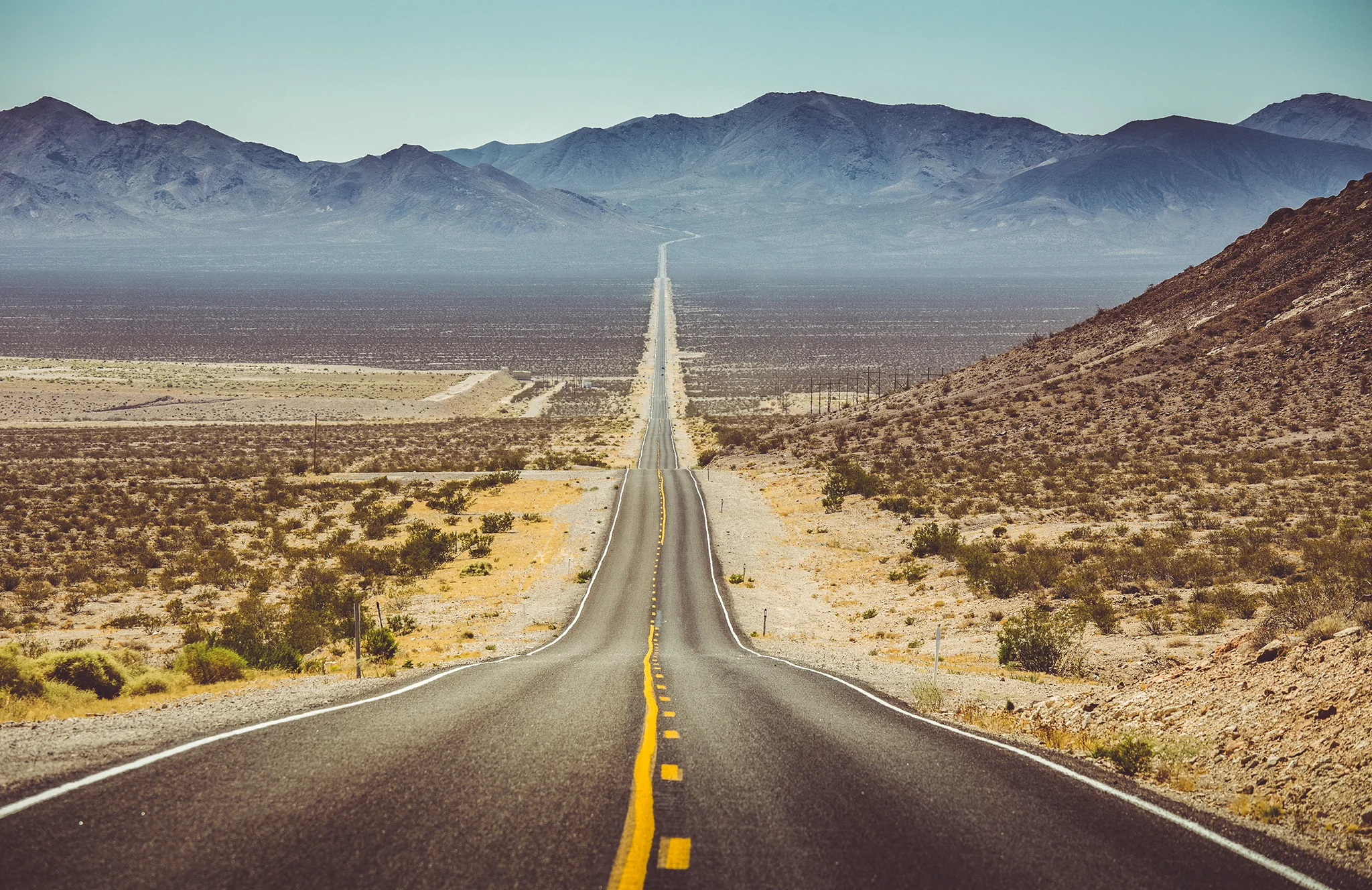
Picture this: the open road stretching ahead, your favorite playlist humming through the speakers, and zero compromises on where you stop, what you eat, or how long you linger at that perfect sunset viewpoint. That’s the magic of planning a road trip by yourself. I’ve clocked thousands of miles solo across winding highways and forgotten backroads, from weekend escapes to month-long epics. Each time, the freedom hits harder than the last. Whether you’re craving solitude after a chaotic year or simply itching for adventure on your terms, this guide walks you through every step. We’ll cover the practical stuff like budgets and breakdowns, plus the soul-stirring parts that make solo trips unforgettable. Let’s get you road-ready.
The Allure of Solo Road Trips: Why Go It Alone?
Solo road trips strip away the group debates and let you chase whatever sparks joy in the moment. No negotiating detours or splitting playlists—just you, the wheel, and whatever the horizon offers next. It’s empowering, a little scary at first, but the confidence you gain sticks with you long after the trip ends. I’ve returned from every solo drive feeling sharper, more self-reliant, and oddly grateful for the quiet miles that forced me to listen to my own thoughts.
The Freedom Factor That Changes Everything
When you’re alone, spontaneity becomes your co-pilot. Want to pull over for a quirky roadside attraction or extend that lakeside picnic? Go for it. No one rolls their eyes. This flexibility turns ordinary drives into personal quests, where every choice feels like a small victory.
Personal Growth That Sneaks Up on You
Solo miles have a way of revealing strengths you didn’t know you had—like fixing a flat in the rain or navigating a detour without panic. The emotional payoff? A deeper sense of independence and stories you’ll tell for years. It’s not just travel; it’s therapy with better scenery.
Step 1: Defining Your Why and Choosing a Destination
Start with your reason for hitting the road—recharge, explore history, chase nature, or just escape routine. That “why” guides every decision, from route length to daily pace. Once clear, pick a destination that aligns, whether it’s a coastal loop or mountain pass. I once chose Arizona’s red rocks after a tough work stretch because the vast skies promised perspective, and they delivered.
Picking a Destination That Matches Your Energy
Consider your driving comfort, time off, and interests. Beginners might stick closer to home for short loops, while veterans tackle cross-country hauls. Factor in seasons, road conditions, and must-see spots to avoid regret.
Theming Your Trip for Extra Magic
Give your journey a loose theme like “quirky small towns” or “hidden waterfalls.” It adds purpose without rigidity. My history-themed France drive led me to ancient tapestries and beaches I never would’ve found otherwise—pure gold for the scrapbook.
Step 2: Setting a Realistic Budget That Won’t Break the Bank
Money worries kill vibes fast, so map out costs early. Factor in gas, lodging, food, and a 20% buffer for surprises like tolls or repairs. Track everything in a simple app or spreadsheet. My first solo trip taught me hard: underestimating snacks and coffee adds up quicker than you’d think.
Breaking Down Costs: Sample Solo Road Trip Budget
Here’s a realistic seven-day, 1,000-mile U.S.-style example for one person in a personal car (adjust for your location and vehicle):
| Category | Estimated Cost | Notes |
|---|---|---|
| Gas/Fuel | $150–250 | Depends on MPG and prices |
| Lodging (mix of motels/camping) | $400–700 | Book ahead for deals |
| Food/Snacks | $200–350 | Groceries + occasional diners |
| Attractions/Fees | $100–200 | Parks, museums |
| Misc (tolls, emergencies) | $100–150 | Buffer essential |
| Total | $950–1,650 | Scalable based on style |
Smart Ways to Stretch Your Dollars
Camp more than hotel-hop, pack a cooler for meals, and use fuel apps for cheapest gas. Memberships like AAA often unlock discounts. Skip peak seasons when possible—your wallet (and sanity) will thank you.
Step 3: Preparing Your Vehicle Like Your Life Depends on It
Your car is your lifeline, so treat it right before wheels roll. Get a full mechanic check, rotate tires, and top off fluids. I learned this the hard way after a battery died in rural Maine—roadside assistance saved the day, but prevention beats cure every time.
Key Pre-Trip Vehicle Checks
- Oil change and filter
- Tire pressure, tread, and spare
- Brakes, lights, and wipers
- Battery test and emergency kit
- Full tank and recent inspection
Roadside Assistance You Can’t Skip
Sign up for AAA, CAA, or equivalent coverage. It covers tows, flats, and lockouts—peace of mind worth every penny when you’re hours from help.
Step 4: Mastering Route Planning with the Best Tools
Google Maps is king for visuals, but pair it with apps like Roadtrippers for hidden gems and offline access. Print backups too—cell service vanishes in the wild. Plot major stops first, then layer in flexibility. My cross-country routes always start on a big atlas for the overview before zooming digital.
Top Apps and Tools Comparison
| Tool | Best For | Free Tier? | Offline? | Standout Feature |
|---|---|---|---|---|
| Google Maps | Basic routing + traffic | Yes | Yes | Street View |
| Roadtrippers | Scenic stops & itineraries | Limited | Partial | Attraction database |
| Waze | Real-time alerts | Yes | No | Community reports |
| iOverlander | Camping & services | Yes | Yes | Off-grid spots |
Downloading Maps and Creating Custom Layers
Save offline versions and mark favorites. Create layers for food, hikes, and gas to keep everything organized without constant searching.
Step 5: Building a Flexible Itinerary That Leaves Room for Wonder
Aim for 4–6 driving hours daily max to avoid burnout. Build in buffer days for rest or detours. Share your rough plan with a trusted contact. My loose itineraries always leave space for magic—like that unplanned hot spring soak that became the trip highlight.
Daily Driving Limits and Pacing Tips
Listen to your body. Stretch every two hours, rotate music with podcasts, and stop before fatigue hits. Early starts beat rush hour and let you arrive with daylight left.
Balancing Must-Sees with Free Time
Prioritize 2–3 highlights per segment, then let the rest unfold naturally. Over-scheduling kills the solo joy.
Step 6: Packing Essentials Without Overloading Your Car
Pack light but smart—focus on layers, multi-use items, and safety gear. A well-stocked trunk turns potential disasters into minor inconveniences. I always overpack snacks and underpack clothes; experience wins.
Ultimate Solo Road Trip Packing Checklist
- Safety/Emergency: First-aid kit, jumper cables, flashlight, blanket, extra water, non-perishables
- Comfort: Layers, comfortable shoes, pillow, eye mask
- Tech: Chargers, power bank, offline maps, camera or phone tripod
- Personal: Medications, toiletries, cash in small bills, journal
- Fun: Books, snacks, reusable water bottle, trash bags
What to Leave Behind to Save Space and Sanity
Skip bulky extras like full toolkits (stick to basics) or fancy outfits. Test-pack your car a week early to spot issues.
Step 7: Prioritizing Safety Without Sacrificing Adventure
Safety isn’t paranoia—it’s smart planning. Share your itinerary, trust your gut on stops, and stay visible at night. Drive daylight when possible. As a solo traveler, I’ve parked under lights and kept doors locked; small habits build big confidence.
Top Safety Habits for Every Mile
- Tell someone your route and check-ins
- Avoid isolated areas after dark
- Keep phone charged and use apps like Life360
- Carry self-defense basics if comfortable (whistle, pepper spray where legal)
Handling Strangers and Uncomfortable Situations
Be polite but firm. If vibes feel off, leave—no explanation needed. Your instincts are your best navigator.
Step 8: Staying Entertained and Energized on Long Drives
Mix audiobooks, playlists, and local radio for variety. Stop for real meals and short walks. I once turned a boring interstate into a trivia game via podcasts—it made 400 miles fly by.
Entertainment Ideas That Beat Boredom
Podcasts on history or comedy, voice memos for thoughts, or sing-alongs. Rotate every hour.
Nutrition and Rest Stops Done Right
Pack a cooler with real food. Hydrate and move—your body will reward you with clearer thinking.
Step 9: Capturing Memories and Reflecting Along the Way
Snap photos, jot notes, or record voice memos. The small rituals turn a trip into a story worth revisiting. Post-trip reflection cements the growth—I’ve got journals full of “I can’t believe I did that” moments.
Simple Ways to Document Without Distraction
Use a dedicated notebook or phone app. Limit social media posts until you’re home for safety.
Why Reflection Makes the Trip Last Longer
Review photos and notes a week later. You’ll spot lessons and joys you missed in the moment.
Common Pitfalls and How to Dodge Them
Overplanning kills flexibility. Ignoring vehicle maintenance leads to stress. Forgetting a buffer day causes exhaustion. Learn from my early mistakes—like skipping the spare tire check—and you’ll cruise smoother.
Pros and Cons of Solo vs. Group Road Trips
Pros of Solo: Total freedom, deeper self-connection, easier spontaneity.
Cons of Solo: All driving on you, higher safety vigilance needed.
Group Advantages: Shared costs, built-in company.
Group Drawbacks: Compromise on pace and choices.
People Also Ask About Solo Road Trips
Is it safe to go on a road trip alone?
Yes, with solid planning—vehicle prep, shared itineraries, and common sense make it safer than many assume. Millions do it yearly without issue.
How much does a solo road trip cost?
Expect $150–250 per day covering gas, food, and lodging. Budget $1,000–2,000 for a week, scaling by distance and style.
What are the best apps for planning a solo road trip?
Google Maps for routing, Roadtrippers for attractions, and iOverlander for off-grid needs top the list.
How many hours should you drive per day alone?
Stick to 5–8 hours max. Build in breaks and never push through fatigue.
What should I pack for a solo road trip?
Focus on safety kits, layers, snacks, chargers, and a flexible mindset—less is more.
FAQ: Your Burning Solo Road Trip Questions Answered
Can beginners really handle a solo road trip?
Absolutely. Start small, like a 3-day loop near home. Preparation levels the playing field fast.
How do I stay motivated on long solo stretches?
Set mini-goals, like reaching the next viewpoint, and celebrate with a favorite treat.
What if something goes wrong mechanically?
Roadside assistance plus basic knowledge (tire change, jump start) covers most. Stay calm and call for help.
Is solo better than traveling with friends?
It depends on your needs. Solo delivers unmatched freedom; friends bring shared laughs. Try both.
How do I plan for bad weather or detours?
Build flexibility into your route and pack layers plus emergency supplies. Apps like Waze help reroute in real time.
There you have it—the complete blueprint for your first (or next) unforgettable solo road trip. The road is waiting, and the best part? Only you decide the next turn. Pack smart, drive safe, and let the journey rewrite your story. Safe travels.